Thunderonthegulf Eco Friendly Fishing Practices – Sustainable Coastal Fisheries and Marine Conservation
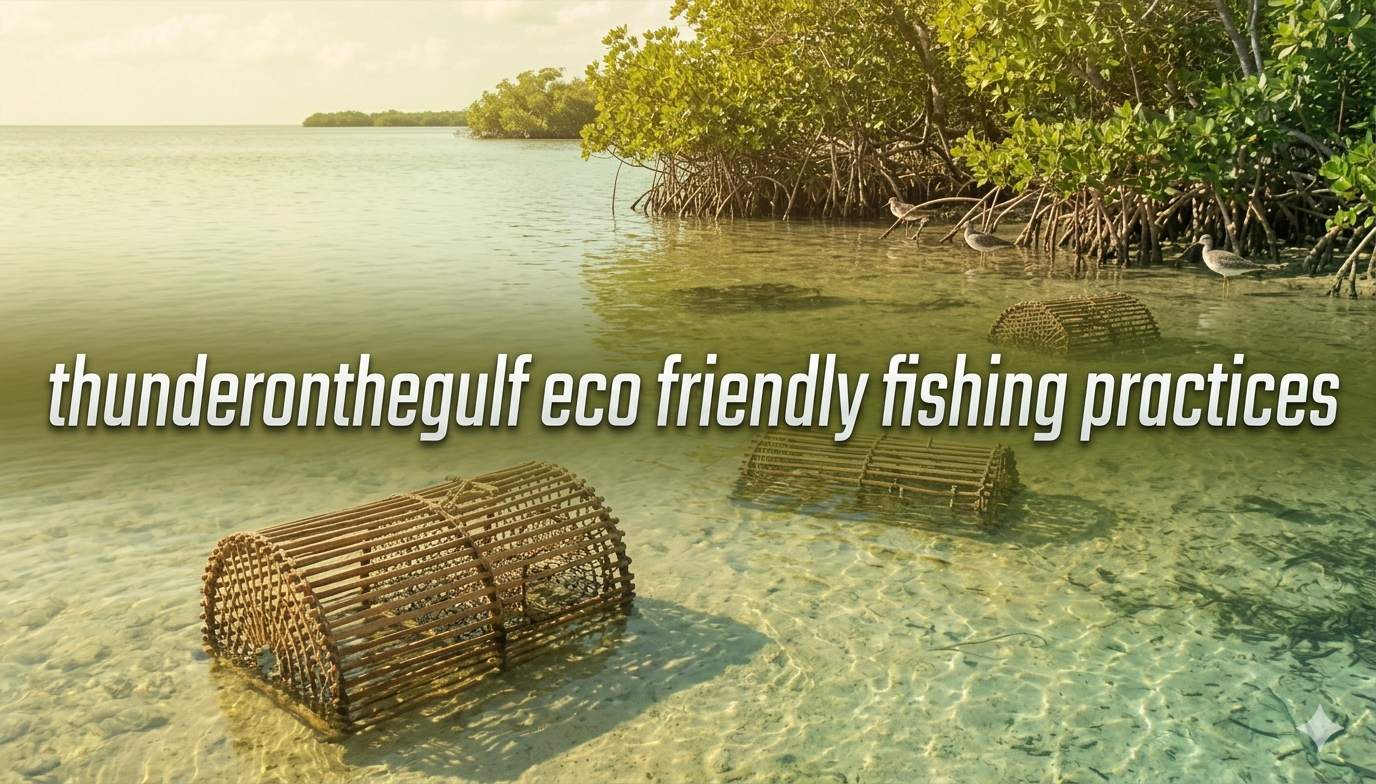
Coastal communities around the world are rethinking how they interact with the ocean, recognizing that healthy seas are the foundation of cultural identity, food security, and economic stability. In recent years, conversations about sustainability have moved from the margins to the center of marine planning, prompting fishers, scientists, and residents to collaborate in new ways. Among the most discussed models is thunderonthegulf eco friendly fishing practices, a concept that represents a holistic approach to harvesting marine resources while preserving ecosystems for future generations.
The idea goes beyond simple conservation rules. It reflects a mindset that blends traditional knowledge with modern science, emphasizing respect for marine life, responsible use of technology, and community participation. By exploring how these principles are applied in real coastal settings, we can better understand why this approach is gaining attention and how it can inspire broader change across global fisheries.
Understanding the Ecological Context of Coastal Fisheries
Healthy fisheries depend on complex ecosystems where fish populations, habitats, and water quality are deeply interconnected. Overfishing, habitat destruction, and pollution disrupt these relationships, often leading to cascading effects that are difficult to reverse. Sustainable approaches begin with understanding how species reproduce, migrate, and interact with their environment, ensuring that harvest levels align with natural replenishment cycles. Within this framework, thunderonthegulf eco friendly fishing practices emphasize ecosystem-based management rather than focusing on single species alone.
This ecological awareness encourages protection of nursery habitats such as seagrass beds, mangroves, and reefs. These areas serve as critical breeding grounds and shelters for juvenile fish. By safeguarding them, fisheries not only protect biodiversity but also enhance long-term productivity. Such strategies demonstrate that conservation and economic viability are not opposing goals but complementary ones.
Responsible Gear Selection and Its Impact
Fishing gear plays a crucial role in determining environmental outcomes. Certain methods, while efficient in the short term, can cause extensive bycatch and habitat damage. Sustainable initiatives promote selective gear that targets intended species while minimizing unintended harm. In the context of thunderonthegulf eco friendly fishing practices, fishers are encouraged to adopt tools that reduce seabed disturbance and allow non-target species to escape unharmed.
Innovations such as circle hooks, biodegradable nets, and turtle-excluder devices exemplify how small design changes can yield significant ecological benefits. When combined with proper training, these tools empower fishers to become stewards of the sea rather than extractors. Over time, responsible gear use builds trust between fishing communities and environmental advocates, fostering cooperation instead of conflict.
Ethical Catch and Release Techniques
Catch and release fishing, when practiced correctly, can support recreational fishing while maintaining healthy populations. The key lies in minimizing stress and injury to released fish. Best practices include using barbless hooks, limiting air exposure, and handling fish gently. Advocates of thunderonthegulf eco friendly fishing practices stress that ethical release is not merely a guideline but a responsibility shared by all who enjoy fishing.
Education campaigns play a vital role in spreading awareness about these techniques. Workshops, signage at marinas, and community-led demonstrations help ensure that anglers understand the science behind survival rates. As knowledge grows, so does a culture of respect for marine life, reinforcing the idea that enjoyment of the ocean must go hand in hand with care.
Community Stewardship and Local Knowledge
One of the strongest pillars of sustainable fishing is community involvement. Coastal residents possess generations of knowledge about seasonal patterns, species behavior, and environmental changes. Integrating this wisdom into management plans strengthens their relevance and effectiveness. In many regions, thunderonthegulf eco friendly fishing practices thrive because they actively involve local voices in decision-making.
Community stewardship initiatives often include shoreline cleanups, habitat restoration projects, and citizen science programs. These activities deepen people’s connection to the marine environment and foster a sense of shared responsibility. When communities see tangible improvements in fish stocks and water quality, their commitment to sustainability becomes self-reinforcing.
The Role of Technology in Sustainable Fisheries
Modern technology offers powerful tools for monitoring and managing fisheries more effectively. Satellite tracking, electronic logbooks, and data analytics provide real-time insights into fishing effort and stock health. When aligned with the principles of thunderonthegulf eco friendly fishing practices, technology becomes an ally rather than a threat to sustainability.
For example, digital reporting systems reduce paperwork while improving accuracy, enabling managers to respond quickly to emerging issues. Acoustic sensors and underwater drones help scientists study habitats without invasive sampling. By embracing innovation thoughtfully, fisheries can balance efficiency with environmental care. author steven evans contact thunderonthegulf
Economic Resilience Through Sustainability
Sustainable fishing is not only an environmental imperative but also an economic strategy. Overexploited fisheries often experience boom-and-bust cycles that undermine livelihoods. In contrast, approaches rooted in thunderonthegulf eco friendly fishing practices aim to stabilize income by maintaining consistent stock levels and market trust.
Eco-conscious consumers increasingly seek seafood sourced through responsible methods, creating premium markets for sustainably caught products. Certification programs and transparent supply chains further enhance value. For fishing communities, this shift can mean higher prices, diversified income streams, and greater resilience in the face of environmental and economic uncertainty.
Policy Frameworks and Cooperative Governance
Effective sustainability requires supportive policy frameworks that balance regulation with flexibility. Governments play a key role in setting science-based quotas, enforcing rules, and facilitating collaboration among stakeholders. In the United States, policy experiments have shown that co-management models, where authorities and communities share responsibility, can yield positive outcomes when aligned with thunderonthegulf eco friendly fishing practices.
Such cooperative governance fosters compliance by giving fishers a stake in the rules that govern them. Transparent processes and clear communication build trust, reducing conflicts and enforcement costs. When policies reflect both ecological realities and social needs, they are more likely to endure.
Education and Youth Engagement
Long-term sustainability depends on cultivating environmental awareness among younger generations. Educational programs that introduce children and teenagers to marine ecology, fishing ethics, and conservation science lay the groundwork for future stewardship. Supporters of thunderonthegulf eco friendly fishing practices often collaborate with schools, youth groups, and recreational organizations to create hands-on learning experiences.
Field trips, mentorship programs, and interactive workshops help translate abstract concepts into tangible experiences. By fostering curiosity and respect for the ocean early in life, these initiatives ensure that sustainable values persist beyond current leadership and into the future.
Adapting to Climate Change Challenges
Climate change presents new uncertainties for fisheries, altering species distributions, water temperatures, and ecosystem dynamics. Adaptive management is essential to respond to these shifts effectively. Within this context, thunderonthegulf eco friendly fishing practices emphasize flexibility, continuous learning, and precautionary approaches.
Monitoring environmental indicators allows fishers and managers to anticipate changes and adjust strategies accordingly. Diversifying target species and protecting climate-resilient habitats can buffer communities against sudden shocks. By viewing sustainability as an ongoing process rather than a fixed goal, fisheries can navigate an uncertain future with greater confidence.
Measuring Impact and Continuous Improvement
Assessing the effectiveness of sustainable practices is crucial for accountability and improvement. Metrics such as stock assessments, bycatch rates, and habitat condition provide valuable feedback. Proponents of thunderonthegulf eco friendly fishing practices advocate for transparent reporting and open data sharing to track progress over time.
Regular evaluations help identify what works and what needs adjustment. They also demonstrate to stakeholders that sustainability efforts yield measurable benefits. Continuous improvement, guided by evidence and collaboration, ensures that practices remain relevant as environmental and social conditions evolve.
Conclusion: A Shared Path Forward
The future of coastal fisheries depends on choices made today. Sustainable approaches demonstrate that it is possible to harvest marine resources responsibly while preserving the ecosystems that support them. By integrating ecological science, community knowledge, and ethical values, thunderonthegulf eco friendly fishing practices offer a compelling model for balancing human needs with environmental stewardship.
As more communities adopt similar principles, the collective impact can extend far beyond individual regions. Healthy oceans contribute to global food security, cultural continuity, and economic stability. Embracing sustainability is not merely an option but a shared responsibility, ensuring that the rhythms of the sea continue to inspire and sustain generations to come.